


Casino Myths About Blackjack in the Digital Spotlight
- 15. November 2026
- Posted by: thermodyn
- Category: Unkategorisiert
Casino myths about blackjack often arrive with the confidence of a mate explaining odds over a beer in Adelaide. You hear that every hand is close to 50/50, that insurance saves your bankroll, or that the house edge disappears with clever timing. The reality is less dramatic but more useful: blackjack rewards basic strategy, careful bankroll limits and knowing when a game’s interface may have changed the terms. Digital blackjack also needs sharper navigation skills, because the visible controls can be neater without being clearer. Here’s what modern players should question before placing another bet.
What the table rules really tell you
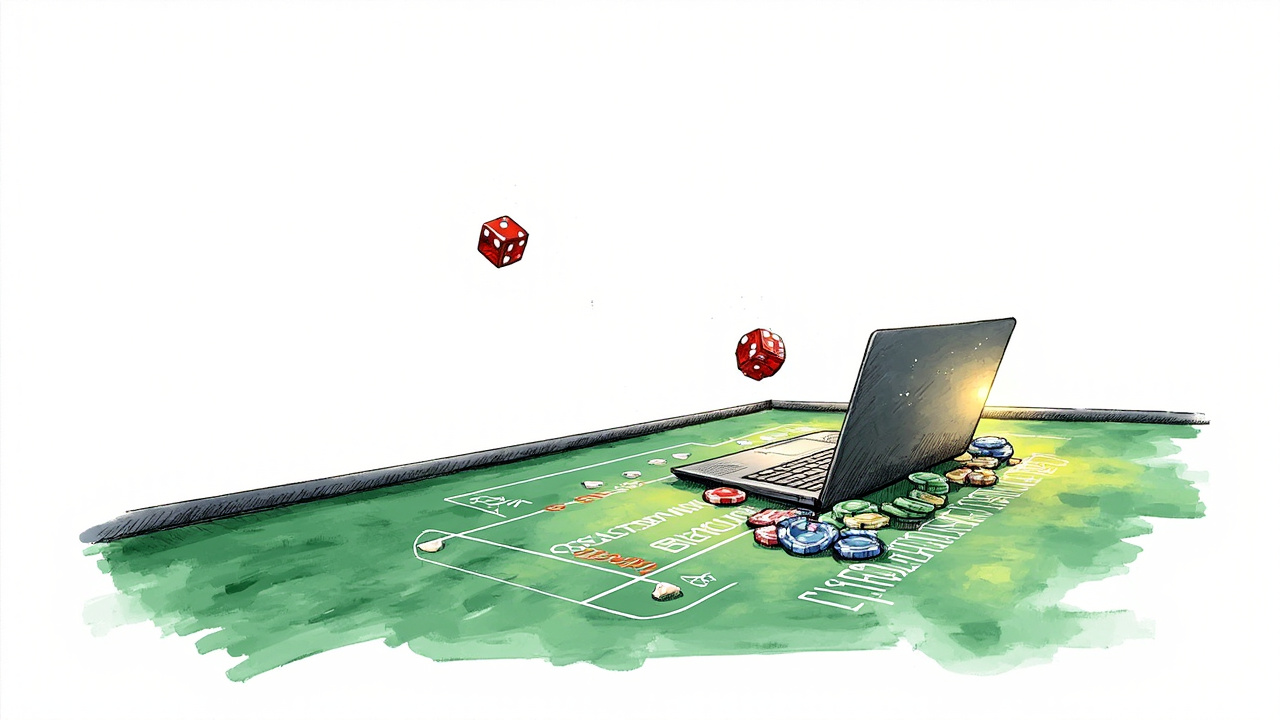
The first myth worth retiring is that blackjack has a fixed 6.5% house edge. It does not. The edge depends on the rules attached to the particular game, including how the dealer handles a soft 17, whether doubling is allowed after a split and what payout a blackjack receives. A mobile game can feel identical at first glance while hiding a different pay table or rule set. That makes the information screen more important than the colourful card animation.
The betting layout is called the “tableau,” while the wheel is the “cylinder,” but those technical terms do not reveal the economics. You still need to check the rules panel for the actual game. “Full pay” machines offer the best available pay table for a game; if a blackjack pays less than the listed full-pay schedule, the odds have shifted.
Timing myths fare no better. The idea that a fresh “shuffle” changes your luck is understandable, especially when someone swears a quiet streak means a winning shoe is due. No. The previous hand does not make the next one more likely. Nor can a chat message, a budget reminder or a particular hand-number display alter the cards.
A useful test is to imagine checking the rules before checking the balance screen. That small reversal stops most marketing-based myths from steering your decisions. For another grounded look at common claims, this piece on blackjack myths and realities is worth keeping nearby.
Reading a digital blackjack screen clearly
A polished interface can make a complicated product look simpler than it is. On a phone, the important distinction is not whether the felt looks convincing; it is whether you can identify the hand, find the rules, place a wager and understand the result without hunting through decorative menus.
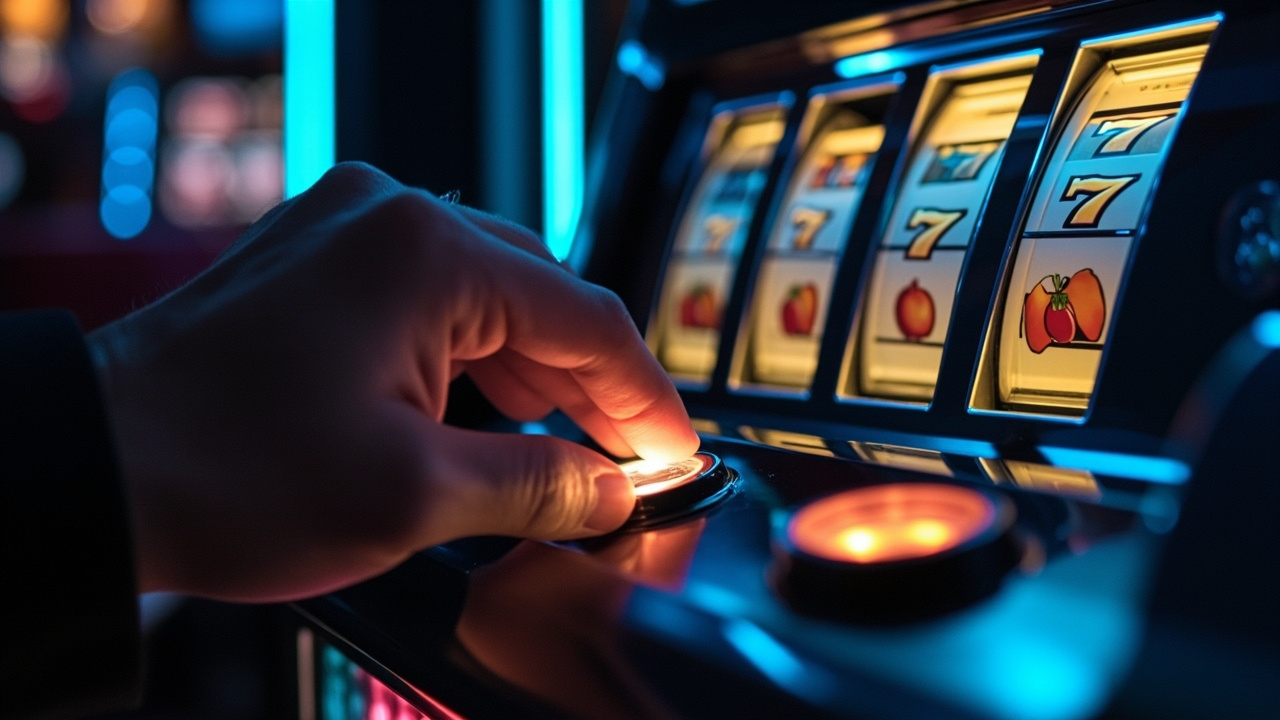
Modern digital products often compress the table, chip controls and action buttons into one screen. That can work beautifully on a larger handset, but text-heavy rules panels become tiresome on a smaller display. The best design keeps primary actions within thumb reach and separates “hit”, “stand”, “double” and “split” clearly enough to prevent accidental taps. It also puts the rules and pay table within a predictable route rather than burying them inside support.
Localisation adds another layer. Australian players should look for plain-English instructions, Australian-dollar denominations and a display that explains whether wagers are stake amounts or returned winnings. Currency conversion is particularly easy to miss: a button showing “$10” may mean ten dollars in your own account, while a converted value elsewhere may expose an exchange rate or display rounding. There is no harm in checking before committing, even if the interface initially looks neat as a QR code on a tram.
That attention to navigation is especially important because myths often masquerade as convenience. An “insurance” prompt beside every blackjack can look like a helpful safety option. In practice, insurance is generally a costly wager unless you are counting cards and can demonstrate an advantage. A clear interface should explain the cost and leave the decision visible, not disguise it as recommended.
When myths influence real betting choices
The most dangerous myth is that a system can remove the house edge. Martingale, Fibonacci and other progression schemes change how money is distributed across a series of bets; they do not change the underlying game. Doubling after every loss can produce frequent small returns and occasional devastating losses. On a phone, rapid tapping makes that progression easier to follow – and easier to escalate.
Another myth says insurance is simply protection. It is another side bet with its own price, and the decision becomes attractive only under narrower conditions than most digital prompts suggest. Likewise, a “hot” table is not evidence that the next hand is more likely to win. Visual patterns mean little when every new hand is governed by the game’s randomness.
Noah Lewis, Risk and Integrity Manager at Kangaroo Point Analytics, cautions that “a clear rule display matters because players often mistake optional side bets for helpful features.” Local bankroll limits matter just as much: decide the maximum exposure before play, then treat any increase as a fresh decision rather than an attempt to recover a loss.
Player loyalty myths deserve a mention, too. A points balance may encourage regular play without making the mathematics more favourable. Reward tiers can be useful for entertainment, but they should never be treated as insurance against losing. The sensible approach is to treat bonuses as added value only when the terms are understandable and the wagering conditions are genuinely comfortable.
Dylan Ryan, Risk and Integrity Manager at Coastal Wager Research, notes that “mobile convenience can speed decisions, so good defaults and visible limits are safer than improvising under time pressure.” That is a useful design principle for every digital casino: show the essential information before the moment becomes hectic.

Comparing the myth with the useful reality
| Casino myth | What players may assume | What to check instead |
|---|---|---|
| The house edge is always 6.5% | Every blackjack game has the same odds | The game’s specific rules and pay table |
| A losing hand predicts a win | A streak must “turn” | Each hand is independent; no streak promise |
| Insurance protects your bet | It is a sensible default | The side-bet price and whether your information justifies it |
| A doubling system beats the house | More bets create an advantage | The progression’s total exposure and maximum loss |
| Shuffling changes the odds in your favour | The next hand is “due” | The game remains random; focus on strategy and limits |
| Rewards remove the risk | Loyalty points guarantee value | Bonus terms, wagering conditions and bankroll limits |
These comparisons matter because the interface can influence which assumptions you make. If a rules link is obvious and the bet labels are plain, you are more likely to verify the terms. If everything important sits behind a maze of icons, persuasive graphics may do the work that evidence should do.
A sensible digital checklist is short: confirm the currency, locate the rules, understand the pay table, set a loss limit and avoid treating optional features as recommendations. You can explore an Australian-focused lobby through Big Red Pokie Online to compare how game information is presented, but remember that availability and terms need checking directly. Never assume an offshore service is licensed or regulated in Australia, and never play with funds you need for essentials.
The best blackjack knowledge is not a guaranteed-wins formula. It is the ability to spot a misleading claim, read the actual rules and keep your limits visible. Clear screens, local currency information and sensible defaults can make that easier – but sound decisions still start with you.